
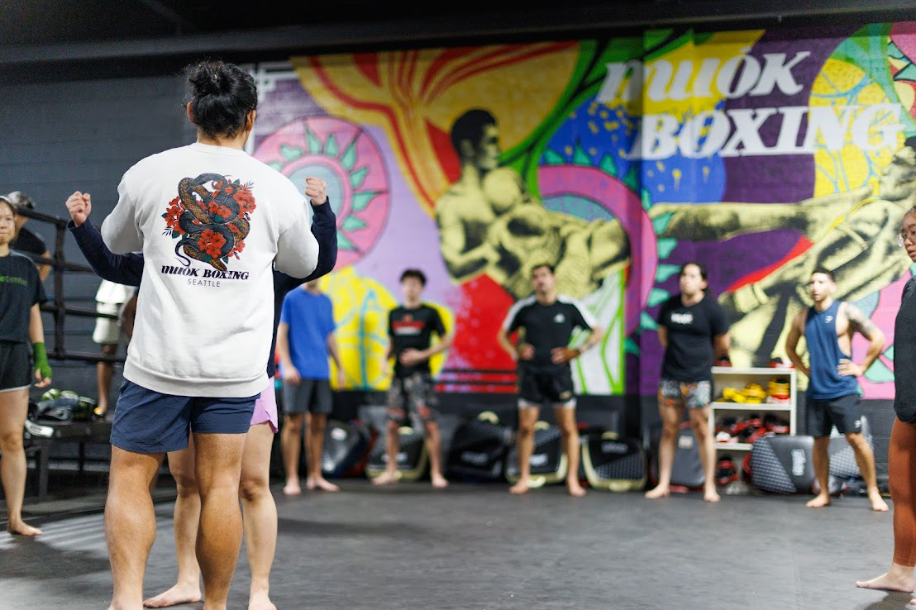
Physical Therapy Gym in Seattle — Train Hard, Recover Smart at Muók Boxing
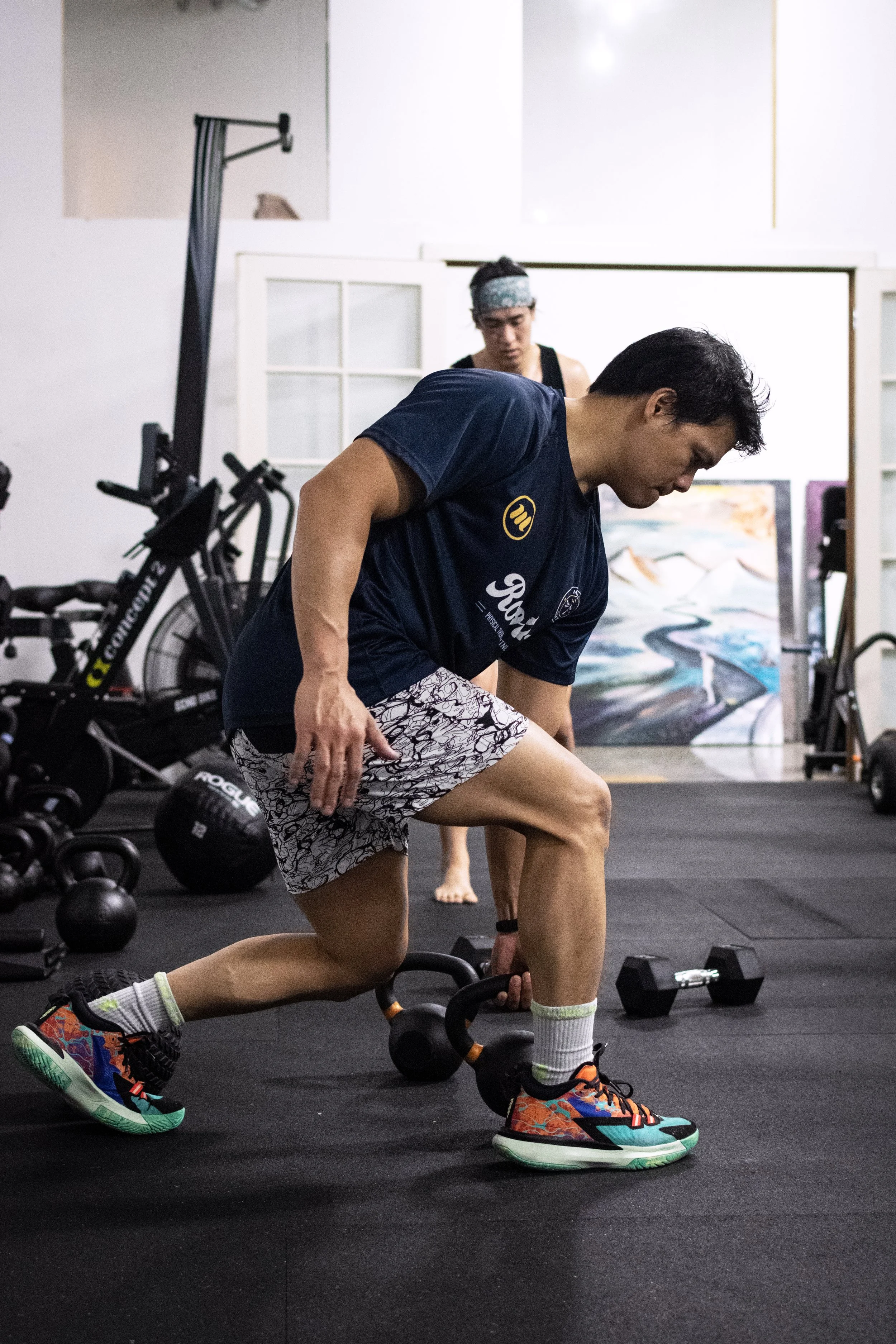
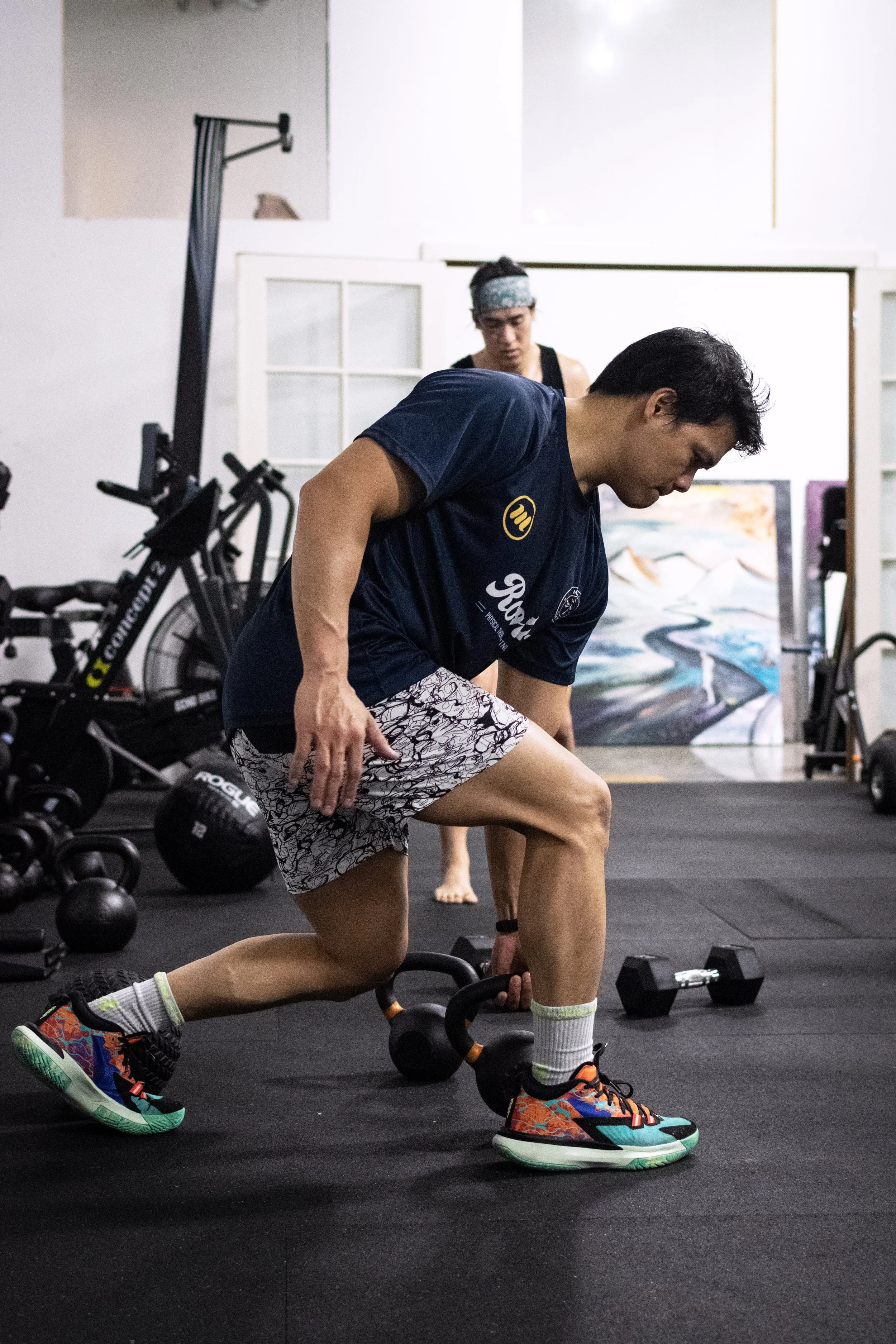
Most people think of physical therapy as something you do after you get hurt. You train, something breaks down, you stop training, you go to PT, you recover, you start again — usually making the same mistakes that caused the injury in the first place.
Muók Boxing is built around a different model. Our coaching staff includes multiple licensed Doctors of Physical Therapy — and their expertise isn't reserved for when something goes wrong. It's built into how we coach every class, every technique, every progression from day one. The person teaching your roundhouse kick understands the biomechanics of your hip well enough to treat it if something went wrong. That's not a small thing.
What a Physical Therapy Gym Actually Means
The term gets used loosely — some gyms partner with a PT clinic down the street. Some have a staff member with a PT background who doesn't actively apply it to coaching. What we mean at Muók Boxing is more specific: our head coach Andy Le and Root Strength coach Joe Rellora are both licensed Doctors of Physical Therapy who apply that training to every aspect of how they coach — technique instruction, load progression, movement assessment, and injury prevention.
"The best injury is the one that never happens. Physical therapy expertise in a coaching context means understanding what causes injuries — and building training around preventing them from the start."
How DPT Expertise Changes the Way You're Coached
-
01Technique taught with biomechanical precisionA coach with a DPT background doesn't just show you how a technique looks — they understand what's happening at every joint, why the hip has to rotate before the shoulder, why the guard position protects the rotator cuff, why proper knee tracking in a squat matters for long-term joint health. That depth of understanding changes how corrections are delivered and how quickly members improve without developing compensatory movement patterns that cause problems later.
-
02Movement assessment from day oneExperienced coaches with DPT training notice movement deficits that standard coaches miss — a hip that lacks external rotation, a shoulder that compensates for limited thoracic mobility, a landing pattern that puts excessive load on the knee. These patterns don't always cause pain immediately. They cause pain six months later, after thousands of repetitions have loaded a compromised position. Identifying and addressing them early is the difference between training continuously and training around injuries.
-
03Load progression designed for your bodyGeneric programming applies the same load progression to everyone. DPT-informed programming accounts for individual capacity, recovery rate, and existing limitations. For members returning from injury, managing chronic pain, or simply older athletes whose bodies recover differently — this individualization is the difference between sustainable progress and repeated setbacks.
-
04The gap between training and rehab disappearsAt most gyms, when something hurts, you leave — referred to a separate PT clinic where the therapist has no visibility into your training environment, and your coach has no visibility into your rehabilitation. At Muók Boxing, the expertise exists in one place. When a member has a shoulder issue, the coach who knows their training history and the DPT expertise that can address the problem are the same person. That continuity produces faster, more complete recovery.
-
05Long-term sustainability over short-term performanceThe goal of training isn't to be fit for six months — it's to be active and capable for decades. DPT-led coaching prioritizes training decisions that build toward longevity: adequate recovery, movement quality over load, addressing chronic issues before they compound. Members who train at Muók Boxing tend to stay training — because the approach keeps them healthy enough to keep showing up.
Who Benefits Most From This Approach
Meet the Coaching Staff
The Programs
Muay Thai — technique coached with DPT precision
17 classes per week across beginner and experienced levels. Every technique taught with an understanding of what's happening biomechanically — not just what looks correct, but why it's correct and how to execute it without creating injury risk over thousands of repetitions.
Root Strength — strength and conditioning led by DPTs
Dedicated strength and conditioning program built around compound lifts, explosiveness, stability, and longevity. Available standalone or combined with Muay Thai membership. The two programs are designed to complement each other — stronger practitioners move better, and better movers get stronger more safely.
Open gym — 7am to 8pm daily
Full facility access for additional training between classes. One of the longest open gym windows in Seattle — designed for athletes who want to train on their own schedule without being limited to class times.
- Muay Thai and Root Strength coached by licensed DPTs
- Injury prevention built in from day one — not addressed after the fact
- 9,000+ sq ft Georgetown facility with open gym 7am–8pm
- Month-to-month membership — no contracts, no enrollment fees
- Free trial class — experience the difference before committing
Strength Training Gym in Seattle — Why Root Strength at Muók Boxing Is Different
If you're looking for a strength training gym in Seattle, the options are plentiful — big box gyms, boutique strength studios, CrossFit affiliates, and independent lifting facilities. Most of them offer the same thing: equipment, programming, and coaching of varying quality. What most of them don't offer is what Root Strength at Muók Boxing brings to every session: strength and conditioning programming led by licensed Doctors of Physical Therapy.
That distinction changes everything about how the program is built, how it's coached, and how long members are able to train without the injuries that derail progress at most gyms.
The Problem With Most Strength Programs
Most people who strength train consistently will tell you the same story: they made great progress for a year or two, then something got hurt — a shoulder, a knee, a lower back — and suddenly weeks or months of training were lost to recovery. The injury wasn't bad luck. It was the predictable outcome of programming that didn't account for movement quality, individual biomechanics, or sustainable load progression.
"Getting strong is the goal. Staying strong for years is the achievement. The difference between the two is understanding how to train without accumulating damage."
What Root Strength Is
Root Strength is the dedicated strength and conditioning program at Muók Boxing, led by Joe Rellora — a Doctor of Physical Therapy specializing in athletic wellness — alongside Andy Le, also a Doctor of Physical Therapy and head coach of Muók Boxing. Together they've built a program that combines the outcomes of elite strength training with the injury prevention philosophy of physical therapy.
The program is available as a standalone membership or combined with Muay Thai — and for members who do both, the two programs are designed to complement each other. Strength training makes you a more powerful and resilient Muay Thai practitioner. Muay Thai training develops the coordination and athleticism that makes your strength training more transferable to real movement.
The Four Pillars of Root Strength Programming
-
01Compound lifts — the foundation of everythingSquat, hinge, push, pull, carry. The fundamental movement patterns that build strength across the whole body rather than isolating individual muscles. Root Strength programming is built around these patterns because they produce the most transferable strength — the kind that shows up in sport, in life, and in every other physical activity you pursue.
-
02Explosiveness — power that translatesStrength without power has limits. Root Strength develops explosive capacity — the ability to express strength quickly — through plyometric work, Olympic lift variations, and power-focused programming. For Muay Thai practitioners specifically, explosive hip and leg power translates directly into more effective kicks, knees, and clinch entries.
-
03Stability — the platform for everything elsePower without stability is dangerous. Root Strength gives equal attention to single-leg stability, shoulder stability, core anti-rotation, and hip control — the less glamorous work that prevents the injuries that derail long-term progress. This is where the DPT background is most valuable: understanding which stability deficits create injury risk, and programming to address them before they become problems.
-
04Longevity — training for years, not monthsThe ultimate measure of a strength program is not how fast it builds strength — it's how long you can sustain training without accumulating injuries that force you to stop. Root Strength programming accounts for recovery, load management, and individual biomechanics in ways that most commercial strength programs don't. The goal is a body that gets stronger every year — not one that burns bright for six months and then breaks down.
The Coaching Team
Why Root Strength and Muay Thai Work Together
- Stronger legs from Root Strength = more powerful kicks and clinch entries in Muay Thai
- Shoulder and hip stability from Root Strength = better guard position and reduced injury risk in Muay Thai
- Explosive power development carries directly into striking speed and power
- Muay Thai coordination improves the athleticism you bring to strength training
- Both programs designed by the same DPT-led team — programming that accounts for the demands of both
- Combined membership available at a discounted rate — two complete programs, one gym
Who Root Strength Is For
People returning to training after injury or a long break
The DPT-led coaching is invaluable for people coming back to training after an injury or a significant gap. Movement assessment from day one means programming that accounts for where you actually are — not where a generic program assumes you should be.
Athletes who want to train smarter, not just harder
If you've been training for years and hitting the same injuries on repeat, Root Strength's approach to movement quality and load management will change how you train. Strong isn't just a number on a bar — it's the ability to keep loading that bar for years.
Muay Thai practitioners who want to be more powerful
The most complete martial artists are also strong athletes. Root Strength is designed with the demands of Muay Thai training in mind — building the specific strength qualities that make practitioners more powerful, more durable, and more capable on the mat.
Anyone who wants more from their training than equipment access
If you're paying for a gym membership and largely training on your own without meaningful coaching, Root Strength offers something fundamentally different — structured programming, expert coaching, and the kind of individual attention that actually moves the needle.
- Strength programming led by licensed Doctors of Physical Therapy
- Available standalone or combined with Muay Thai membership
- 9,000+ sq ft Georgetown facility — dedicated strength zone
- Month-to-month membership — no contracts, no enrollment fees
- Free trial — come in and experience the difference
Georgetown Gym Guide
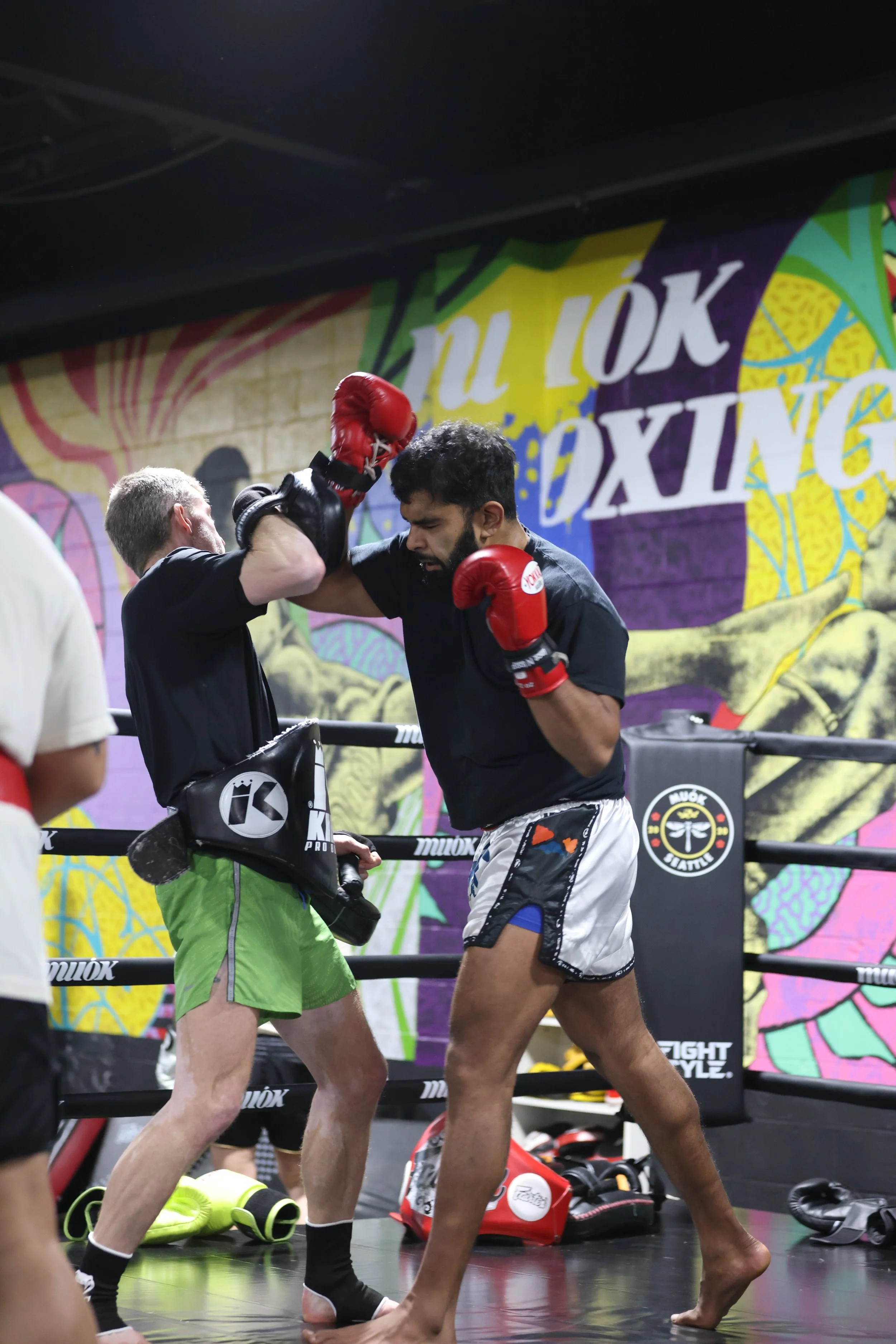
Georgetown has always been one of Seattle's most interesting neighborhoods — industrial, creative, unpretentious. It's not a neighborhood that puts up with anything fake. So when we moved here in January 2026, we wanted to build something that fit the neighborhood: real training, real community, nothing watered down.
What we built at 6332 6th Ave S is unlike anything else in Seattle. Not because we planned to be different for its own sake — but because we started with what athletes actually need and built outward from there. This post is about what that looks like and why it matters.
The Three Pillars
Most gyms do one thing. They teach classes, or they have equipment, or they offer recovery services. We built a facility around three things working together — because that's how serious athletes actually train.
Our core program is authentic Muay Thai — all eight limbs, the clinch, real technique taught by coaches who've trained in Thailand and competed internationally. Multiple Doctors of Physical Therapy on staff means every technique is taught with your body's long-term health in mind.
17 classes per week across all levels. Beginners and advanced members train in the same session with separate dedicated instructors. Open gym runs 7am to 8pm on weekdays so you can get extra rounds in on your own schedule.
Root Strength is our strength and conditioning partner program operating out of the same facility. What makes it different is the model: strength programming designed by Doctors of Physical Therapy, specifically built to complement athletic training rather than work against it.
Most athletes eventually figure out they need to lift. What they don't always figure out is how to lift in a way that supports their sport rather than creating new problems. Root Strength solves that. 29 classes per week, fully integrated with the Muay Thai program.
Your body changes between sessions, not during them. We built recovery into the facility from day one — not as an afterthought. On-site physical therapy clinic that accepts insurance. A large sauna with generous availability. Showers and locker rooms so you can train before work and arrive clean.
On-site PT changes everything. Small injuries get addressed before they become big ones. Training load gets managed intelligently. Members who might have stopped training push through setbacks because the support is right there.
The Facility
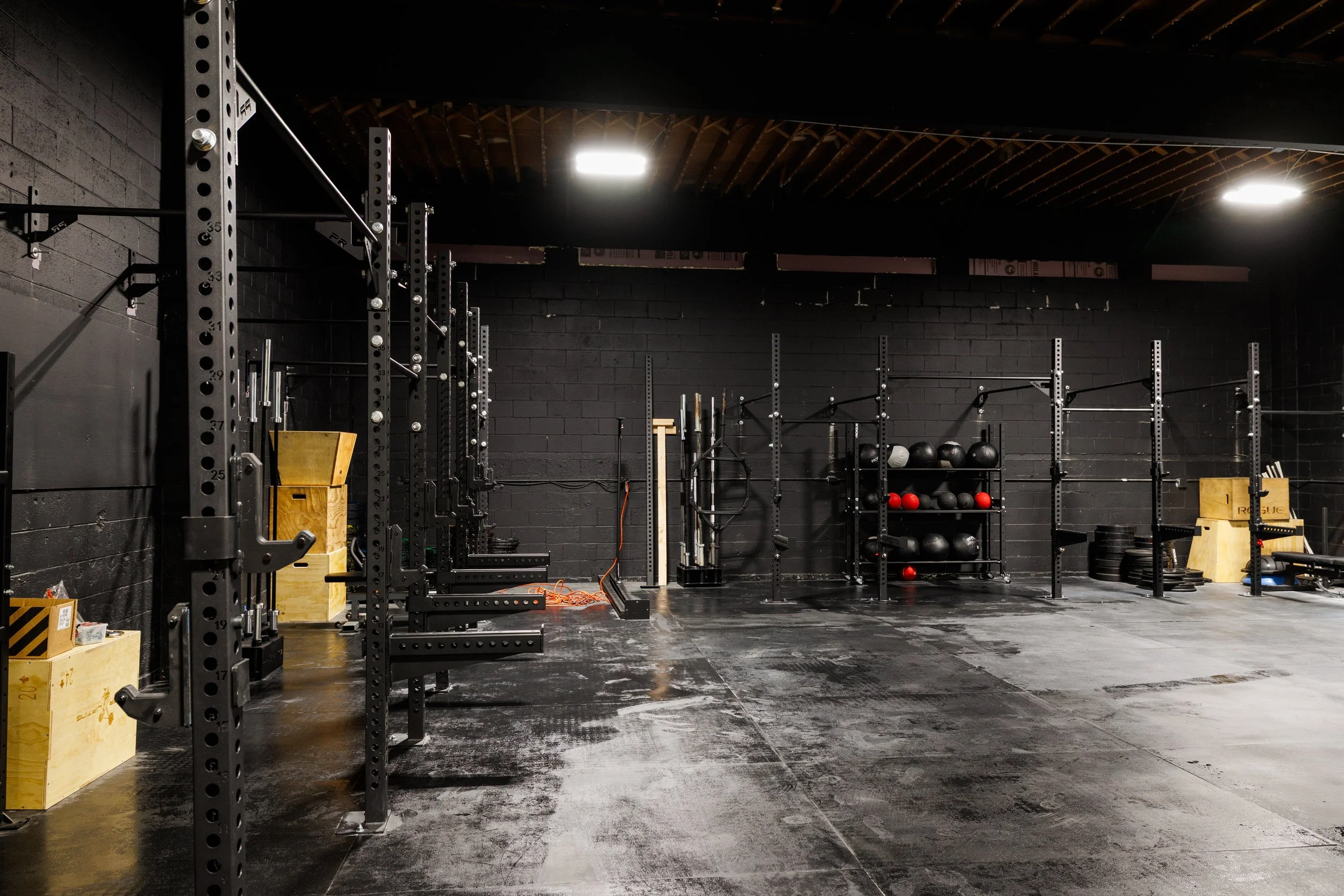
We moved into Georgetown because we needed space to do this properly. What we found was a 9,000+ sq ft industrial warehouse that we've built out specifically for training. Here's what you're walking into.
Who This Is Built For
The honest answer is: everyone. But the people who get the most out of this setup tend to share a few things in common.
They're serious about their health and training — not necessarily competitive, but intentional. They want to improve, not just maintain. They've tried other gyms and found them lacking in some way — the programming, the culture, the coaching depth, or the feeling of being just another member in a big box.
They're also people who value their time. Having Muay Thai, strength work, PT, and recovery in one building means your training life is organized around one place, one community, one address. You're not coordinating between three different facilities across Seattle.
"Georgetown didn't need another gym. It needed a training destination. That's what we set out to build."
Come See It
The best way to understand what we've built is to come train in it. We offer a free trial class with no commitment — just show up 15 minutes early so we have time to walk you through the facility and introduce you to the coaches before class starts.
We're at 6332 6th Ave S in Georgetown. Free parking on site. Open gym from 7am to 8pm weekdays. Muay Thai classes 7 days a week.
Is Muay Thai Good for Weight Loss?
It's one of the first questions people ask when they're curious about Muay Thai but haven't trained before: is it actually good for weight loss? Can you realistically use it as a fitness tool, or is it really just for people who want to fight?
The short answer is yes — Muay Thai is one of the most effective activities for body composition change you can find. But the more interesting answer is why it works, and why it works differently than going to the gym.
What Muay Thai Actually Does to Your Body
A typical Muay Thai class at Muók Boxing runs 75 minutes. In that time you'll warm up, drill technique, do padwork or partner drills, and finish with conditioning. It's not a casual hour — you're moving the entire time, and the nature of the movement is varied enough that your body can't adapt and coast the way it does on a treadmill.
Calorie burn varies based on intensity and body weight, but a solid Muay Thai class burns roughly 500–800 calories — comparable to a hard run but with the added benefit of building real functional strength and skill at the same time.
More importantly, Muay Thai builds lean muscle while burning fat. The explosive movements — kicks, knees, combination punching — engage your core, legs, shoulders, and back in ways that steady-state cardio doesn't. Over time your body composition shifts even when the scale doesn't move dramatically.
What Happens Month by Month
Based on our experience coaching hundreds of members through their first months of training, here's a realistic picture of what you can expect.
"The difference between Muay Thai and the gym is that Muay Thai gives you a reason to show up. You're not just burning calories — you're getting better at something."
Why Muay Thai Works When the Gym Doesn't
Most people have tried the gym. And most people, at some point, have stopped going. The reason is almost never willpower — it's that there's no compelling reason to show up on the days when you don't feel like it.
Muay Thai solves this problem. Every class you're learning something. You're getting better at something. There are people expecting to see you, partners you're developing with, coaches tracking your progress. The social and skill dimensions of training create intrinsic motivation that a treadmill simply can't replicate.
This is why the weight loss results from Muay Thai tend to be more sustainable than gym-based programs. It's not because the calorie math is different — it's because people actually keep doing it.
How to Maximize Results
The Bottom Line
Muay Thai is genuinely excellent for weight loss and body composition — but that's almost a secondary benefit. The primary thing you're doing is learning a martial art that will challenge you physically and mentally for as long as you practice it. The fitness is a byproduct of showing up and training seriously.
If weight loss is your main goal right now, Muay Thai will absolutely get you there. And you'll probably find that somewhere around month two, the goal shifts — because you're more interested in getting good at this thing than in losing weight. That's when the results really accelerate.
We offer a free trial class with no commitment. Come in, train for 75 minutes, and see how you feel at the end of it.
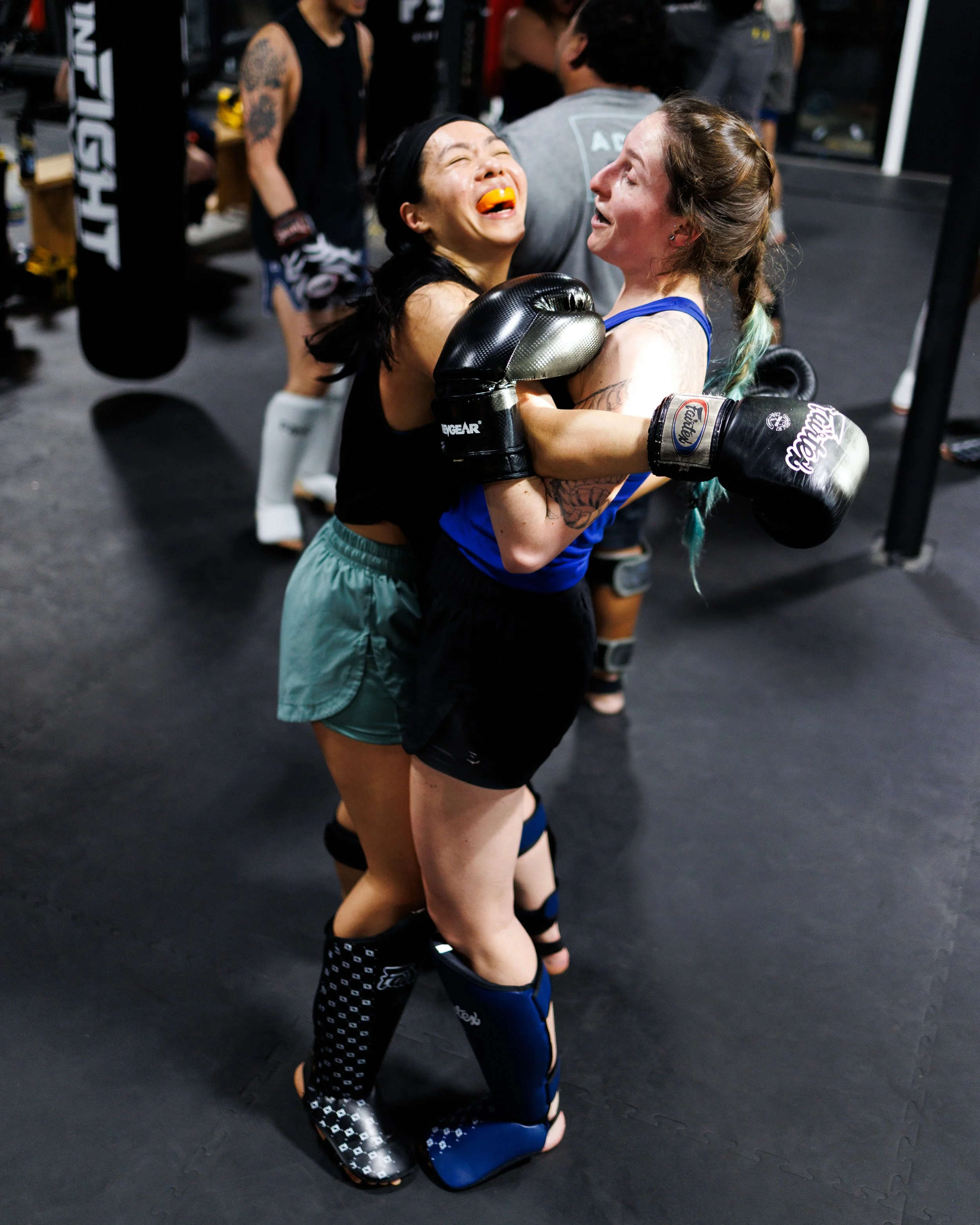
Muay Thai for Fitness: What Happens to Your Body After 3 Months of Training
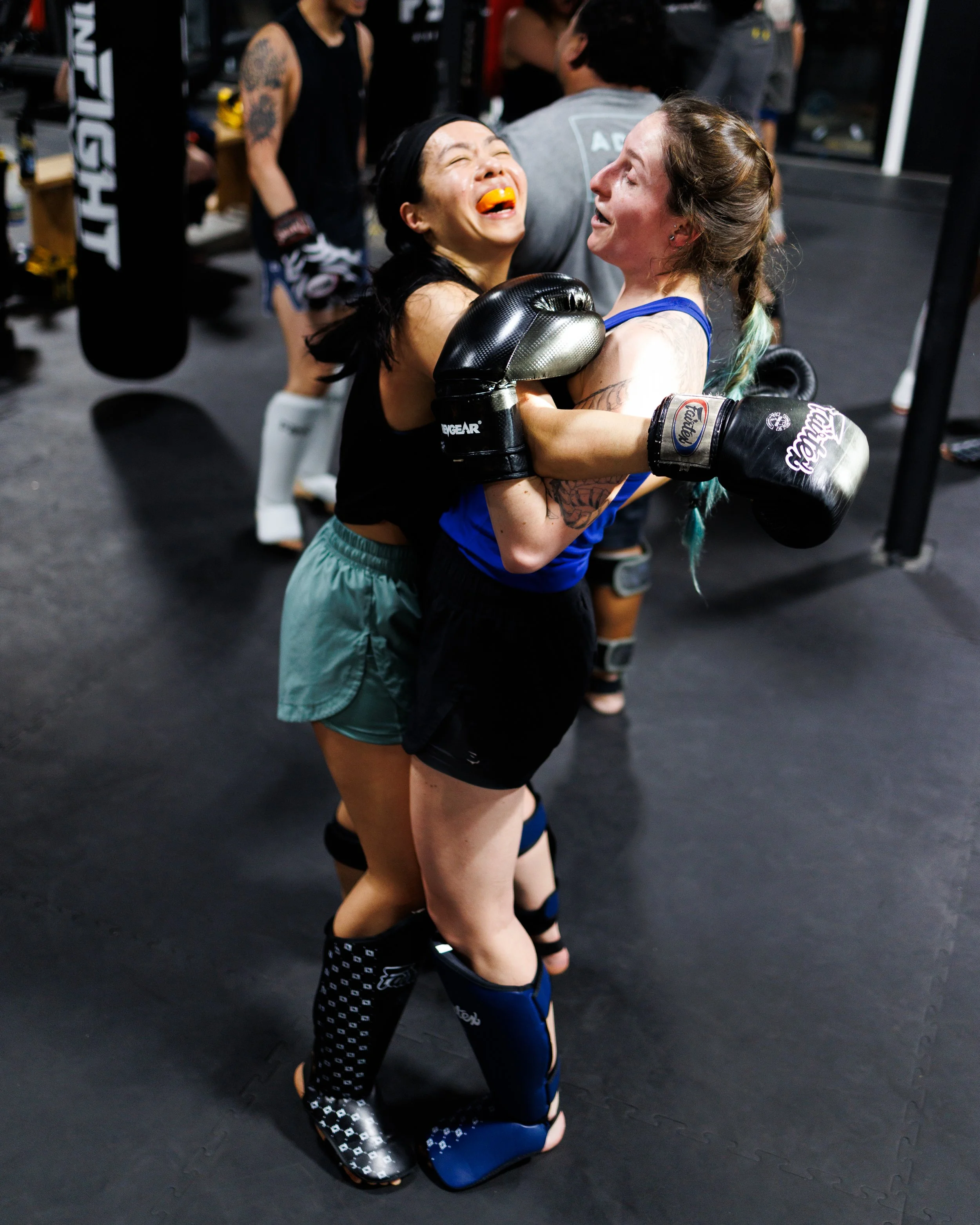
Most people who try Muay Thai don't start because they want to fight. They start because they're bored of the gym, burned out on running, or just looking for a workout that actually challenges them — mentally and physically.
What they don't expect is how much changes in just three months. Not just fitness. Posture. Coordination. Confidence. The way they carry themselves. Muay Thai has a way of reshaping people in ways that treadmills and weight machines simply don't.
The results below are based on training 3 times per week — a realistic and sustainable cadence for most people with jobs, families, and lives outside the gym. Three sessions a week, showing up consistently, is enough to produce the adaptations described here.
"This isn't magic — it's the result of training that demands more from your body than almost any other fitness modality. Muay Thai doesn't leave anything on the table."
What Muay Thai Does That the Gym Can't
- Monotonous — most people train despite the boredom
- Doesn't develop coordination or athleticism
- Mental toughness is limited to pushing through sets
- Minimal community or social connection
- Genuinely engaging — always something new to learn
- Builds strength and athleticism simultaneously
- Develops mental toughness under real pressure
- Strong community built on trust and camaraderie
Is Muay Thai Right for Your Fitness Goals?
If your goals include any of the following, Muay Thai is worth serious consideration:
Losing body fat while building functional muscle. Improving cardiovascular fitness without the monotony of running. Developing real coordination, athleticism, and body awareness. Building mental toughness and stress resilience. Finding a fitness community that keeps you accountable and engaged.
"If your primary goal is maximum muscle hypertrophy or powerlifting, Muay Thai complements but probably shouldn't replace your training. For everything else — it's one of the most complete fitness tools available."
- Coaches including multiple Doctors of Physical Therapy
- 17 classes per week across beginner and experienced levels
- 9,000+ sq ft facility with open gym from 7am–8pm
- Month-to-month memberships — no contracts, no enrollment fees