Physical Therapy Gym in Seattle — Train Hard, Recover Smart at Muók Boxing
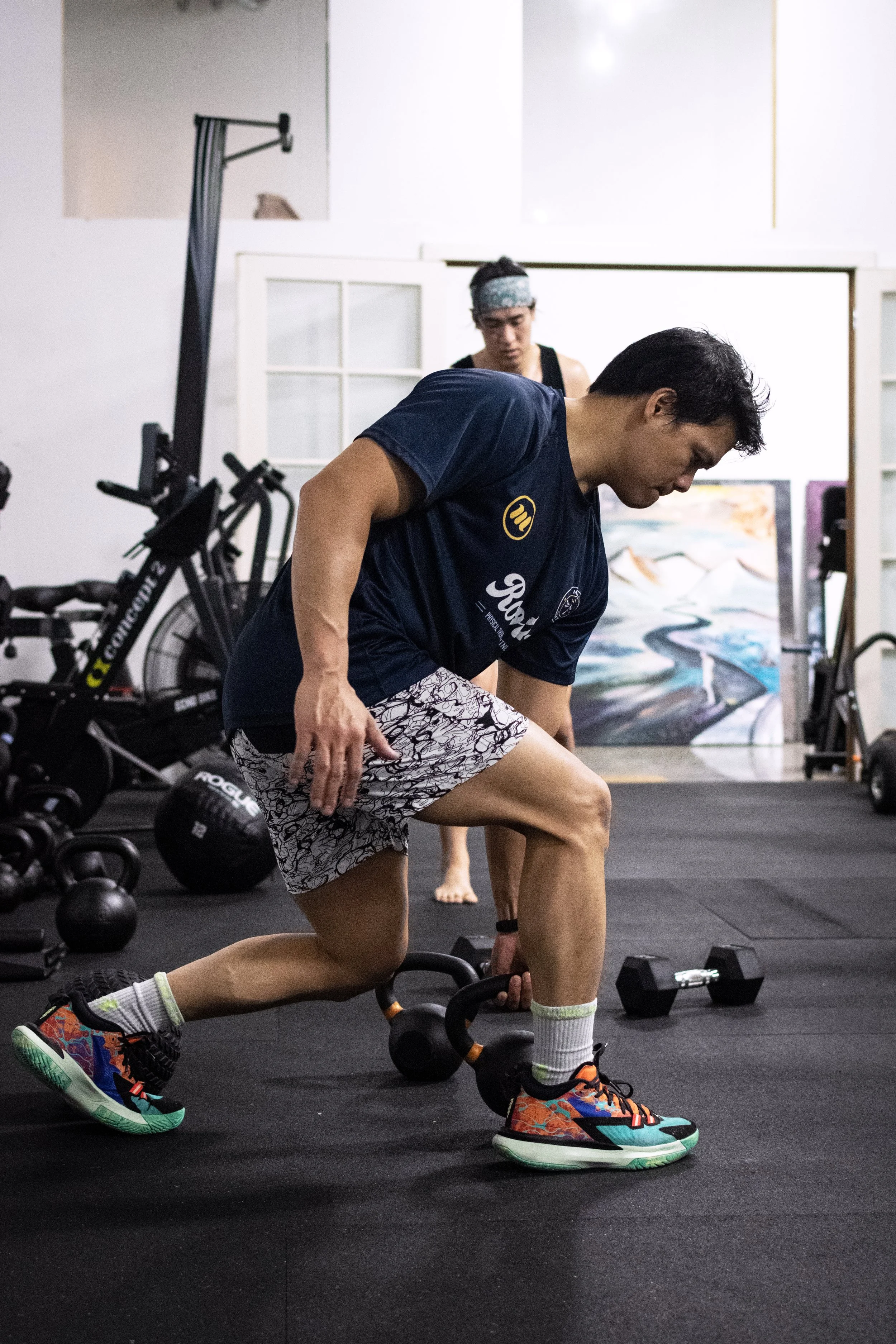
Most people think of physical therapy as something you do after you get hurt. You train, something breaks down, you stop training, you go to PT, you recover, you start again — usually making the same mistakes that caused the injury in the first place.
Muók Boxing is built around a different model. Our coaching staff includes multiple licensed Doctors of Physical Therapy — and their expertise isn't reserved for when something goes wrong. It's built into how we coach every class, every technique, every progression from day one. The person teaching your roundhouse kick understands the biomechanics of your hip well enough to treat it if something went wrong. That's not a small thing.
What a Physical Therapy Gym Actually Means
The term gets used loosely — some gyms partner with a PT clinic down the street. Some have a staff member with a PT background who doesn't actively apply it to coaching. What we mean at Muók Boxing is more specific: our head coach Andy Le and Root Strength coach Joe Rellora are both licensed Doctors of Physical Therapy who apply that training to every aspect of how they coach — technique instruction, load progression, movement assessment, and injury prevention.
"The best injury is the one that never happens. Physical therapy expertise in a coaching context means understanding what causes injuries — and building training around preventing them from the start."
How DPT Expertise Changes the Way You're Coached
-
01Technique taught with biomechanical precisionA coach with a DPT background doesn't just show you how a technique looks — they understand what's happening at every joint, why the hip has to rotate before the shoulder, why the guard position protects the rotator cuff, why proper knee tracking in a squat matters for long-term joint health. That depth of understanding changes how corrections are delivered and how quickly members improve without developing compensatory movement patterns that cause problems later.
-
02Movement assessment from day oneExperienced coaches with DPT training notice movement deficits that standard coaches miss — a hip that lacks external rotation, a shoulder that compensates for limited thoracic mobility, a landing pattern that puts excessive load on the knee. These patterns don't always cause pain immediately. They cause pain six months later, after thousands of repetitions have loaded a compromised position. Identifying and addressing them early is the difference between training continuously and training around injuries.
-
03Load progression designed for your bodyGeneric programming applies the same load progression to everyone. DPT-informed programming accounts for individual capacity, recovery rate, and existing limitations. For members returning from injury, managing chronic pain, or simply older athletes whose bodies recover differently — this individualization is the difference between sustainable progress and repeated setbacks.
-
04The gap between training and rehab disappearsAt most gyms, when something hurts, you leave — referred to a separate PT clinic where the therapist has no visibility into your training environment, and your coach has no visibility into your rehabilitation. At Muók Boxing, the expertise exists in one place. When a member has a shoulder issue, the coach who knows their training history and the DPT expertise that can address the problem are the same person. That continuity produces faster, more complete recovery.
-
05Long-term sustainability over short-term performanceThe goal of training isn't to be fit for six months — it's to be active and capable for decades. DPT-led coaching prioritizes training decisions that build toward longevity: adequate recovery, movement quality over load, addressing chronic issues before they compound. Members who train at Muók Boxing tend to stay training — because the approach keeps them healthy enough to keep showing up.
Who Benefits Most From This Approach
Meet the Coaching Staff
The Programs
Muay Thai — technique coached with DPT precision
17 classes per week across beginner and experienced levels. Every technique taught with an understanding of what's happening biomechanically — not just what looks correct, but why it's correct and how to execute it without creating injury risk over thousands of repetitions.
Root Strength — strength and conditioning led by DPTs
Dedicated strength and conditioning program built around compound lifts, explosiveness, stability, and longevity. Available standalone or combined with Muay Thai membership. The two programs are designed to complement each other — stronger practitioners move better, and better movers get stronger more safely.
Open gym — 7am to 8pm daily
Full facility access for additional training between classes. One of the longest open gym windows in Seattle — designed for athletes who want to train on their own schedule without being limited to class times.
- Muay Thai and Root Strength coached by licensed DPTs
- Injury prevention built in from day one — not addressed after the fact
- 9,000+ sq ft Georgetown facility with open gym 7am–8pm
- Month-to-month membership — no contracts, no enrollment fees
- Free trial class — experience the difference before committing