How to Get Started with Muay Thai in Seattle
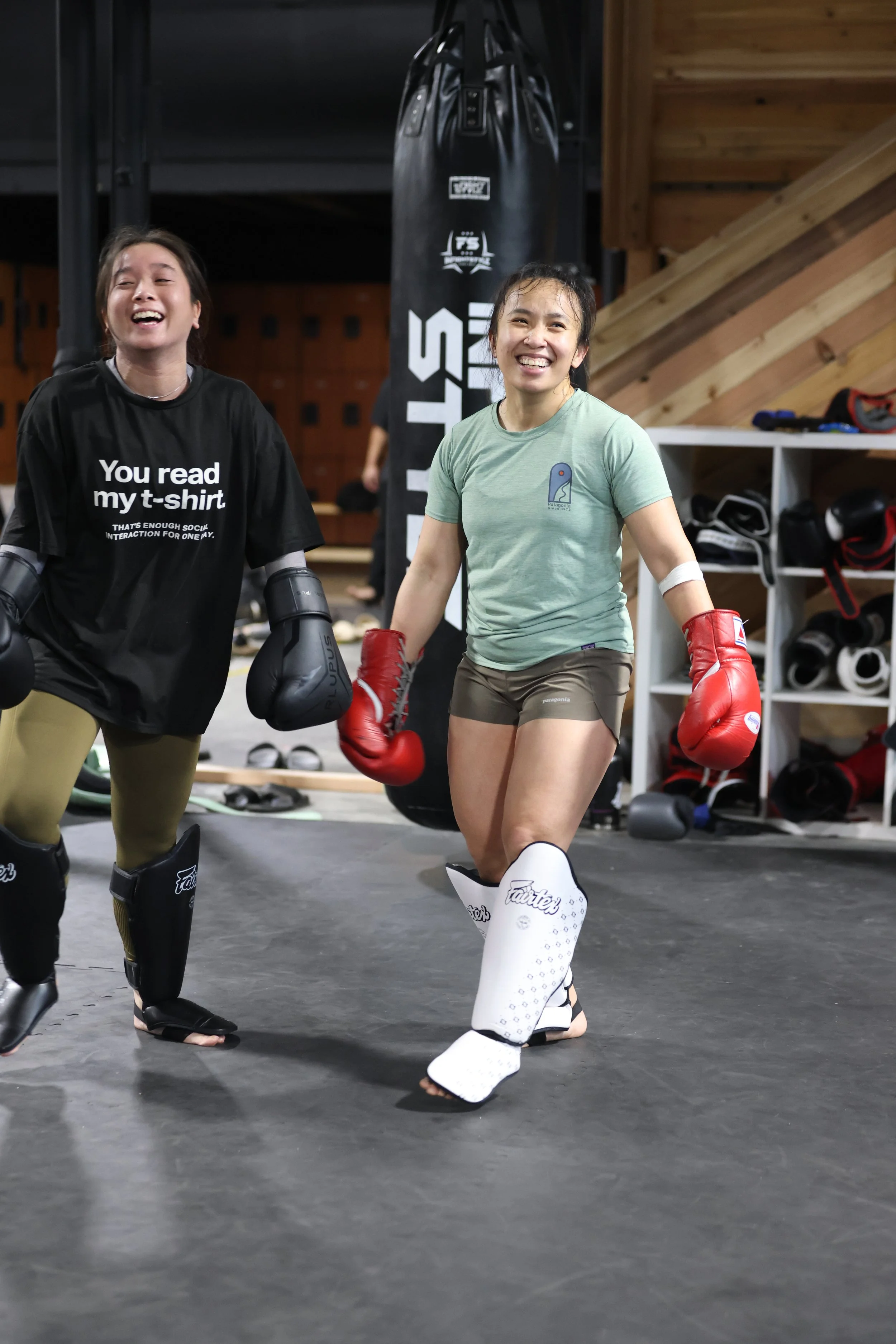
So you've decided you want to try Muay Thai. Maybe you've been curious for a while, maybe a friend recommended it, or maybe you're just tired of the same gym routine and want something that actually challenges you. Whatever brought you here — welcome.
Getting started with Muay Thai in Seattle is easier than most people think. But like any martial art, the early decisions you make — which gym you choose, how you approach your first few months, what you prioritize — will significantly shape your experience. This guide walks you through all of it.
Find the Right Gym
This is the most important decision you'll make. The gym determines everything: the quality of your technique, the culture you train in, the friends you make, and how long you stick with it. Not all Muay Thai gyms are created equal, and in a city like Seattle, you have options.
Know What to Expect in Your First Month
The first month of Muay Thai training is a humbling and exciting experience. Your body isn't used to the movements yet — and that's completely normal. What matters is how you approach it.
Get the Right Gear (But Not Too Much Too Soon)
One of the most common beginner mistakes is buying a lot of gear before ever attending a class. Start minimal and build as you go.
Set Realistic Expectations for Progress
Muay Thai is a deep martial art. Understanding the timeline helps you stay patient and consistent through the phases that matter most.
Show Up Consistently
More than any gear purchase, any training tip, or any technique shortcut — consistency is what separates people who progress from those who plateau or quit.
Step 1 — Finding the Right Gym
Structured beginner classes
A good gym doesn't just throw beginners into open mat sessions and hope for the best. Look for dedicated beginner programming — classes specifically designed to build fundamentals in a logical sequence. If a gym can't tell you exactly how they teach beginners, that's a red flag.
Technically focused coaching
There's a big difference between a gym that teaches you to hit hard and one that teaches you to move correctly. The latter will serve you far longer. Look for coaches who can explain the mechanics behind each technique — why your hip rotation matters, how your guard position affects your balance, what makes a teep effective.
An ego-free culture
Muay Thai gyms vary enormously in culture. Some are aggressive, pressure-heavy environments where beginners feel unwelcome. Others prioritize controlled sparring, mutual respect, and supporting members at every level. Visit before you commit. Pay attention to how experienced members treat beginners.
"A gym confident in what it offers won't need to lock you in. Month-to-month memberships with no cancellation fees are the standard at quality gyms."
A free trial class
Any reputable gym will offer a free trial class. If they don't, that tells you something. A trial lets you experience the coaching, the culture, and the facility before spending a dollar. Always take the trial before committing.
Step 2 — Your First Month
Week 1–2: Everything feels unfamiliar
Your body isn't used to the movements yet. Throwing a proper roundhouse kick requires hip flexibility, balance, and timing that take time to develop. Your guard will drop. Your stance will be off. You'll feel uncoordinated. This is completely normal and exactly where everyone starts.
Focus on showing up, listening carefully, and moving slowly and deliberately. Accuracy before speed. Speed before power. That sequence is the foundation of good Muay Thai development.
Week 3–4: Patterns start to click
By week three, the basic stance, guard, and fundamental strikes begin to feel more natural. Pad work starts to feel like actual training rather than survival. This is when most beginners start to genuinely enjoy themselves.
"Most people who quit Muay Thai do so in the first two weeks — before it starts to click. If you can push through the initial discomfort, the sport opens up quickly."
Step 3 — Gear Guide
- Athletic clothing
- Water bottle
- Can-do attitude
- 180" hand wraps
- 16oz boxing gloves
- Mouthguard
- Shin guards
- Muay Thai shorts
- Skipping rope
Step 4 — Progress Timeline
Building the foundation. Stance, guard, footwork, and the five fundamental strikes — jab, cross, lead kick, rear kick, and teep. Everything slow and deliberate. This phase is about correct movement patterns before adding speed or power.
Combinations and timing. Techniques start linking together. You develop a sense of rhythm in pad work. Light technical sparring may begin, depending on your gym and your readiness.
Refinement and personal style. Fundamentals are solid enough that you start developing preferences. Your fitness has adapted significantly. You're contributing to the gym culture, not just absorbing it.
This is where it gets genuinely interesting. The technical depth means there's always something new to refine. Many practitioners train for decades and still find room to grow.
Step 5 — Show Up Consistently
Three sessions per week is a solid baseline for a beginner. It gives your body enough stimulus to adapt and improve, while allowing recovery between sessions. More is fine once your body has adjusted — but three consistent sessions beats five inconsistent ones every time.
The members who progress fastest at Muók Boxing aren't always the most athletic. They're the ones who show up regularly, pay attention, and approach every class as a chance to improve something specific.
- Coaches with over a decade of Muay Thai experience, including Doctors of Physical Therapy
- 17 structured classes per week across beginner and experienced levels
- 9,000+ sq ft facility with open gym from 7am–8pm
- Ego-free culture that prioritizes technique, safety, and long-term development
- Month-to-month memberships — no enrollment fees, no cancellation fees, no contracts