Muay Thai Gear for Beginners — What You Actually Need (And What You Don't)
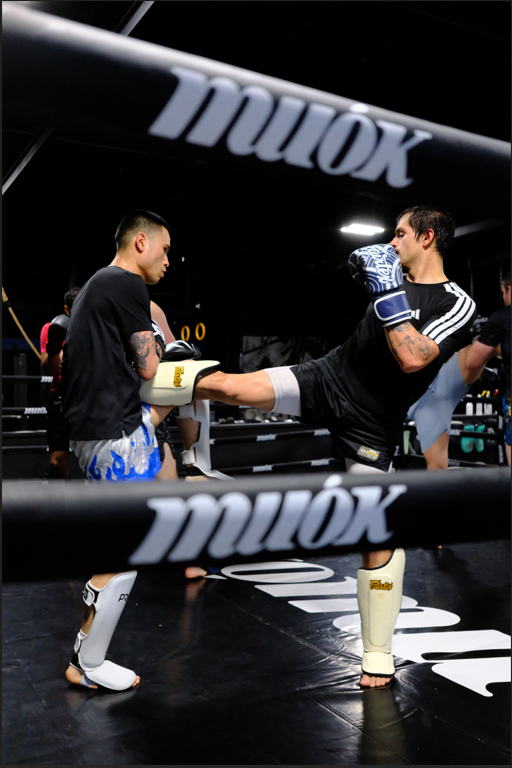
One of the most common questions we get from people thinking about starting Muay Thai is some version of: "Do I need to buy gear before my first class?"
The answer is no. You really don't. We have everything you need at the gym, and your first few weeks are the wrong time to be buying anything anyway — because you don't know yet what you actually like, what fits your hands, or what kind of training you'll end up doing.
That said, if you stick with it (and most people who try a few classes do), you're going to want your own stuff at some point. This guide walks through what's actually worth owning, in roughly the order most members buy it. We'll be direct about what's worth spending money on, what's not, and where the gear industry is happy to take your money for things you don't really need.
-
01What you need for your first classThe honest answer: clothes you can move in and a water bottle. We provide the rest.
-
02Your first real purchase — hand wrapsThe first thing every member ends up owning. Cheap, important, and there's almost no wrong choice.
-
03Gloves — what weight, what brand, when to buyThe piece of gear people overthink the most. Here's what actually matters.
-
04Shin guards — only when you need themWhen you actually need shin guards (later than you think), and what to look for.
-
05Mouthguard, shorts, and the restThe accessories — what's worth getting, what's optional, and what's a waste of money.
What You Actually Need for Your First Class
Almost nothing. Seriously. Here's the full list:
Athletic shorts or leggings, a t-shirt or tank top. Nothing with zippers, buttons, or hard fasteners. Avoid anything baggy that could get in the way.
You're going to sweat. A lot. More than you think. Bring more water than you think you need.
For your face, the back of your neck, and wiping down. Not required, but you'll be glad you brought one.
Gloves and hand wraps are loaned for your first class. We have plenty. We'll show you how to use them. Don't buy anything before you walk in — you'll buy the wrong stuff.
One important note: we train barefoot. No shoes on the mats. Trim your toenails before class so you don't dig into a partner during footwork. Trim your fingernails too — you'll be in close contact with people during clinch work and drilling.
The single most common mistake we see new members make is buying $300 of gear before their first class — based on what someone on YouTube recommended for advanced training. Don't do this. Take a few classes first. Figure out what you actually like and what fits your hands. Then buy. Your future self will thank you for not having a closet full of stuff you don't use.
Your First Real Purchase — Hand Wraps
After a few classes, the first thing most members buy is their own hand wraps. This is the right call, and it's also one of the cheapest pieces of gear you'll ever own.
Why your own wraps? Hygiene mostly. Hand wraps absorb a lot of sweat and need to be washed after every session. Using gym-loaner wraps day after day is fine for the first week or two, but having your own pair you can wash and rotate is genuinely better.
Get 180-inch (4.5m) Mexican-style wraps. They have a small thumb loop on one end and Velcro on the other. Buy two pairs so you have one to wear while the other is in the wash. Brands don't matter much here — Sanabul, Hayabusa, Fairtex, RDX, anything from a real fight gear brand will be fine. Avoid the super short 108-inch wraps; they don't give you enough wrist support.
Don't know how to wrap your hands yet? It's a skill — and yes, it takes a few tries to get right. Ask any coach at Muók to show you, or watch a video on a brand site like Fairtex or Hayabusa. After about a week of doing it yourself, it'll take you 90 seconds without thinking.
Gloves — The Piece People Overthink the Most
Eventually you'll want your own gloves. This is the gear decision people agonize over the most, and it's genuinely not that complicated. Here's what matters:
Weight — what oz to buy
Muay Thai gloves come in weights from 8 oz to 16 oz. The weight is about the padding, not your strength.
Good general-purpose option for smaller adults under about 145 lbs. Faster on the bag, slightly less protection. Not ideal for sparring partners larger than you.
The most common weight bought by adult beginners. Works for bag, pads, and most sparring. If you're not sure what to buy and you want a single pair that does everything, get 14 oz.
More padding, more protection for both you and your partner. If you're over about 175 lbs or you know you want to spar regularly, this is the right call. Most experienced members eventually own a pair of 16 oz alongside their training pair.
You don't need to own multiple pairs at first. One good pair that fits well will get you through your entire first year. Buy a second pair down the line when you have a clearer sense of what you need.
Brands — what's actually worth buying
The Muay Thai glove market is full of options. Here's the honest version:
Strong middle ground (most members): Fairtex, Twins, Top King, Yokkao. These are the Thai-made brands that have been making gear for decades. Quality is consistent, durability is excellent, and a pair of these will last you years if you take care of them. Expect to pay $90–$160 for a quality pair. This is where most members land.
Budget options that are still legitimate: Sanabul, RDX, Hayabusa entry-level. You can get a workable pair for $50–$80. They won't last as long as a Thai brand, and the leather quality and fit are noticeably less premium, but they'll absolutely get you through your first six months without issue.
Premium brands: Yokkao Matrix, Hayabusa T3, Fairtex BGV1. The $180–$250 tier. These are excellent gloves. They're also overkill for someone in their first year. Get a mid-tier pair, train hard for a year, and then upgrade to a premium pair when you actually know what you like in a glove.
Generic gloves from Amazon at the $20–$30 price point — the kind that show up with no brand recognition. The padding compresses fast, the wrist support is poor, and you'll be replacing them within a couple of months. The $30 you "saved" gets eaten by buying twice. Stick with a known brand even if you're going budget.
Fit — the only thing that really matters
A glove that fits well is more important than the brand or weight. Try gloves on in person if you can. Your hand should fit snugly with your hand wraps on — not crammed, not loose. Your knuckles should sit on the padded part, your thumb shouldn't feel like it's bent at a weird angle, and the wrist closure should feel supportive without cutting off circulation.
Before you buy, come ask one of the coaches at Muók. We have most of the major brands floating around the gym, and you can try them on for fit before committing. We'll tell you honestly what works — and what doesn't.
Shin Guards — Only When You Actually Need Them
Here's something most beginner gear lists get wrong: you do not need shin guards immediately. You don't need them on day one, and you don't need them in week three.
Shin guards are required when you start doing partner kicking drills with contact, and definitely for sparring. For the first weeks (sometimes months) of training, you'll mostly be doing bag work, pad work, and shadow boxing — none of which require shin guards.
When the time comes that your training is moving into clinch sparring or technical sparring, you'll know — your coach will mention it, and that's the trigger to buy.
Top sits just below the kneecap, bottom covers the ankle and instep. Same brands as gloves work well — Fairtex SP5, Twins, Top King, Yokkao. For a first pair, mid-range synthetic leather is fine ($50–$80). True leather guards last longer and feel more premium but cost more. Do not buy slip-on "sock" style guards — they're underprotective and useless once you actually need shin guards for what they're for.
Why this matters specifically for Muay Thai
Muay Thai is different from kickboxing or karate in that we throw — and check — kicks shin to shin. Cheap shin guards or undersized guards leave gaps that cause real injuries. Shin splints and bone bruising are already common in Muay Thai from the impact volume; bad shin guards make it worse. Spend the money once on a good pair rather than three times on cheap ones.
Mouthguard — Cheap, Required, Don't Skip
The first time someone hands you a mouthguard at sparring, you want to already own one. Mouthguards are cheap, required for any contact training, and there's no real downside to having one even before you need it.
A standard boil-and-bite mouthguard from Shock Doctor, Venum, or SISU is fine. You boil it, bite into it, and it molds to your teeth. Don't bother with the $5 "stock" mouthguards that don't mold to your bite — they're uncomfortable and don't seal properly. If you have braces or significant dental work, get a custom-fitted guard from your dentist instead.
Shorts — Optional But Most People Eventually Buy a Pair
Muay Thai shorts are short, wide-cut, and made specifically to allow full hip range for kicking. You don't need them — athletic shorts work fine — but they look cool, they let you kick more freely, and they'll last forever. Most members get a pair within their first six months, often after they've been training for a while and finally feel like they belong in the gym.
Fairtex, Twins, and Top King all make solid shorts. Sizing runs small in Thai brands — usually one size up from your usual. Avoid super-short shorts as a beginner; you'll feel exposed and self-conscious. Standard length is fine. The Muók team can show you how Thai sizing works at the gym.
What Most Beginner Gear Lists Try to Sell You That You Don't Need
The Muay Thai gear industry is happy to upsell beginners on stuff they don't need. Here's the honest version:
Headgear — skip it. Headgear is for advanced sparring at heavier intensity, and even then it's optional. As a beginner, you won't be doing the kind of sparring that requires it. If and when you eventually need headgear, your coaches will tell you, and you can buy it then.
Elbow pads — skip. Elbow pads are for full-contact elbow sparring, which is rare in most gym environments and almost never something a beginner is doing. Don't waste money here.
Custom hand wraps with gel inserts — skip. Standard cotton wraps are what every coach and every fighter uses. The gel-insert wraps and cushioned "speed wraps" are gimmicks. Stick with traditional wraps.
Boxing shoes — skip entirely. We train barefoot. There is literally no use for boxing shoes in a Muay Thai gym.
Pre-workout, BCAAs, recovery powders — that's a different conversation. Save your money. Eat well, hydrate, sleep enough. The supplement industry would love your $80/month. You don't need any of it to start training.
The members who train longest aren't the ones with the most expensive gear. They're the ones who buy the right things at the right time, take care of what they have, and spend the difference on more class time.
The Order in Which to Buy Things — A Quick Recap
If you want a simple sequence to follow as you progress through your first year of training:
-
01Day 1 — Workout clothes, water, towelDon't buy anything else. Use the gym's loaner gear. Figure out if you like it first.
-
02Week 2–3 — Hand wrapsTwo pairs, 180 inches. Cheapest piece of gear, biggest hygiene improvement. Easy first step.
-
03Week 3–6 — Gloves and mouthguardOnce you know you're sticking with it, get your own gloves (14 oz for most people) and a boil-and-bite mouthguard.
-
04Month 2–4 — Shin guards (when contact starts)When your training moves into partner kicking drills with contact, that's the trigger. A solid mid-range pair is fine.
-
05Whenever — ShortsOptional. When you feel like it. They're a milestone purchase more than a necessity.
One More Thing — Take Care of Your Gear
Quality gear, taken care of, lasts for years. Cheap gear or neglected gear gets replaced often.
Air it out after every session. Don't leave gloves in a closed gym bag. Pull them out, leave them in a ventilated spot, and let them dry. The single biggest reason gear fails early is moisture damage from being stuffed in a wet gym bag for days.
Wash your wraps. Every session. Mesh laundry bag in a washing machine. Air dry. Sounds obvious, isn't always done.
Wipe your gloves. Anti-bacterial wipes or a dilute vinegar spray inside the gloves once a week kills the bacteria that cause that distinctive Muay Thai gym smell. Your training partners will appreciate it.
Replace your mouthguard. Every 6–12 months. They wear down and lose their fit.
Where to Actually Buy
For Seattle members, the easiest path is online. We don't run a gym pro shop, but we can recommend what to buy and where. The major retailers worth knowing:
Direct from brand sites (Fairtex.com, Yokkao.com, Topkingboxingusa.com) — best for authentic Thai gear. FightStorePro and Combat Sports — solid US retailers carrying multiple brands. Amazon — fine for known brands, sketchy for the cheap stuff.
If you're not sure what to get, just ask. We'll walk you through what we recommend specifically for what you're training, and we'll tell you honestly when something isn't worth the price.
Just Starting Out?
You don't need any gear to take your first class. We have everything you need on day one. Come try a free class — bring workout clothes and a water bottle, leave the gear questions for after.
Book a Free Class →