What Is a Physical Therapy Gym? (And Why Seattle Athletes Are Switching)
Recovery · Georgetown, Seattle
What Is a Physical Therapy Gym?
Why Seattle athletes are skipping the clinic-then-nothing routine for PT and strength training under one roof.
Here's how physical therapy usually ends: your pain is mostly gone, your visits run out, and you leave with a printout of exercises you'll do for about nine days. Then the printout goes in a drawer, and a year later the same injury is back.
That's not a failure of physical therapy. It's a gap in how it's delivered. Traditional PT gets you out of pain, but pain-free and strong are different finish lines, and most clinics discharge you at the first one. The space between "cleared" and "actually resilient" is where re-injury lives.
A physical therapy gym exists to close that gap. It's exactly what it sounds like: a PT clinic and a real training gym in the same building, run as one continuous system instead of two disconnected stops. You start on the treatment table and finish under a barbell, without ever changing addresses or starting over with someone who's never seen your chart.
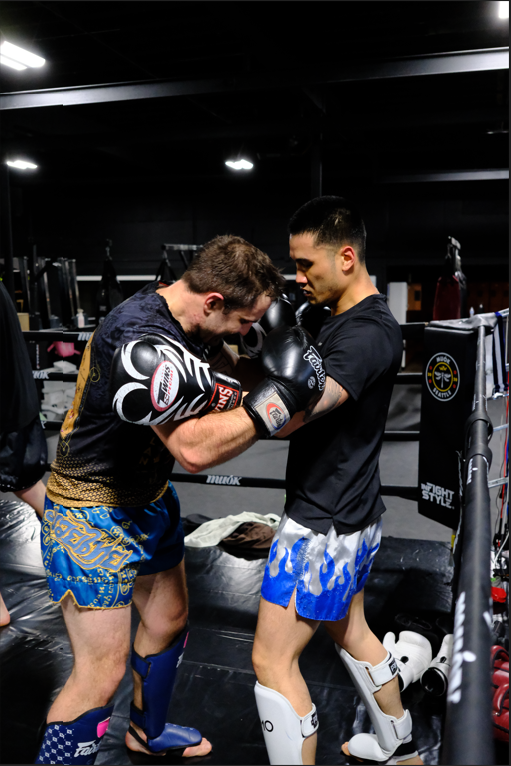
Seattle has one in Georgetown: Root Physical Therapy, operating inside the same building as Root Strength and Muók Boxing. Here's how the model works and who it's built for.
The Problem With the Usual PT Experience
Most physical therapy follows insurance logic, not athletic logic. Coverage typically ends when symptoms do, so care stops at "you can walk without pain" rather than "your knee can absorb force again." For someone whose goal is getting back to lifting, running, climbing, or fighting, that leaves the hardest part of recovery — rebuilding real strength and confidence in the injured tissue — entirely on you, in a commercial gym, with no plan.
Research on return-to-sport backs up what most people learn the hard way: coming back too early, without rebuilding strength, is one of the biggest predictors of getting hurt again. The rehab didn't fail. It just stopped early.
How the Root PT Model Works: Three Phases
01
One-on-One Physical Therapy
Phase One · The Treatment Table
Care starts with a Doctor of Physical Therapy, one-on-one. Evaluation, hands-on treatment, and early loading — the clinical work of getting tissue healing and pain under control. Because your PT also works steps from a full training floor, your rehab is planned from day one with the end goal in sight: not just less pain, but a return to the thing you actually do.
02
The PT-to-Performance Bridge
Phase Two · Earned, Not Automatic
This is the phase most clinics don't have. When your PT clears you, you move to coordinated care between a Rehabilitation Strength Specialist and your physical therapist — structured strength training built on top of your rehab, not instead of it. The two work from the same plan in the same building, so nothing gets lost in a handoff.
Entry to the Bridge is earned. Your PT decides when you're ready, because loading tissue before it's prepared is how setbacks happen.
03
The Continuation Period
Phase Three · Graduation
When you graduate from care, you receive two complimentary weeks of access to Root Strength — the training gym downstairs from the treatment room. Instead of a printout and a handshake, you get a runway: real programming, real equipment, and time to make training a habit before deciding what comes next.
The treatment table got you ready. The gym floor makes you stronger.
Who a Physical Therapy Gym Is For
The model was built for people whose goal is more ambitious than "stop hurting":
Athletes coming back from injury — lifters, runners, climbers, and fighters who need a knee, shoulder, or back that can take force again, not just get through a workday. Post-surgical patients who want their recovery to end at full function instead of at the visit limit. People with chronic or recurring pain — the back that "goes out" every year usually isn't a flexibility problem, it's a strength problem wearing a disguise. And desk workers whose pain came from years of not loading their body at all, for whom the gym-floor phase is the entire point.
The clinical range is wide: the team's combined background covers orthopedics, sports medicine, pelvic health, and chronic pain management. Details on specific conditions are at rootptseattle.com.
The Team
Joe Rellora
PT, DPT
Lorrainne Dizon
PT, DPT
Andy Le
PT, DPT · Muay Thai Coach
Bobby Green
PTA · Muay Thai Coach
Two of the four also coach Muay Thai on the floor upstairs, which tells you something about how this clinic thinks: these are clinicians who train and teach the movements they rehab. When a fighter comes in with a cranky shoulder or a runner with a stubborn Achilles, the person treating it has likely thrown, caught, or run through the same problem themselves.
Insurance
Root Physical Therapy is in-network with major Washington plans, with a cash-pay option for everyone else:
Coverage details vary by plan, so verify your benefits when you book — the front desk can help you check.
Common Questions
Do I need a doctor's referral to start physical therapy?
Washington is a direct-access state, which means you can see a physical therapist without a physician referral. Some insurance plans still require one for coverage, so it's worth a quick check of your specific plan — but you don't need to wait weeks for a referral appointment just to get evaluated.
How is this different from a regular PT clinic?
The clinical care is the same standard — one-on-one evaluation and treatment with a Doctor of Physical Therapy. The difference is what happens after the table: instead of being discharged with a home exercise sheet, you have a defined path onto a real training floor, with your PT and a Rehabilitation Strength Specialist coordinating the transition when you're cleared for it.
How is the Bridge different from just hiring a personal trainer?
A trainer you find after discharge has never seen your evaluation, your surgical notes, or your movement history. In the Bridge, the strength specialist and your PT work from the same plan in the same building. Your training is built on your rehab instead of starting from a blank intake form.
Can I keep training while I'm in PT?
Often, yes — and it's usually encouraged. A good plan modifies around an injury rather than shutting everything down. If you train at Muók or Root Strength already, your PT can coordinate what to push and what to protect, since it's all happening under one roof.
Where is Root Physical Therapy located?
6332 6th Ave S, Unit A, in Georgetown — the same building as Root Strength and Muók Boxing, a few minutes from SoDo, Beacon Hill, and downtown Seattle. Parking is straightforward, which anyone who's done clinic visits on Capitol Hill will appreciate.
Finish Your Recovery Strong
Doctor of Physical Therapy care in Georgetown, with a real training floor waiting on the other side of it. Most major Washington insurance accepted.
Schedule at Root Physical Therapy6332 6th Ave S Unit A · Georgetown, Seattle · rootptseattle.com