The Plateau Is the Point
The Plateau Is the Point
Somewhere around month four to eight, progress goes quiet for almost everyone. It hasn't stopped — it's changed shape. Here's what's actually happening, and how to train through it.
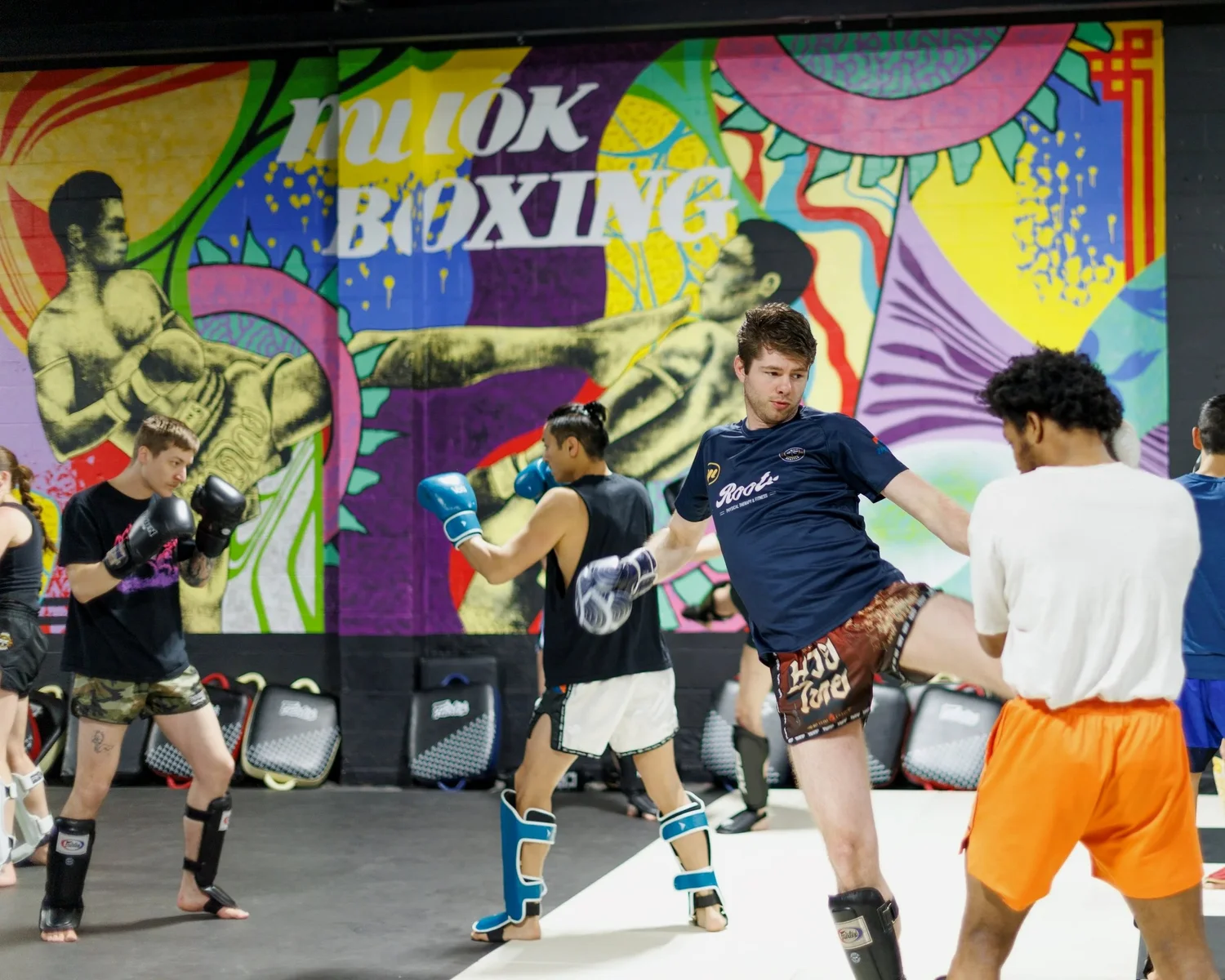
Every coach here has had the same conversation a hundred times. A member pulls us aside — usually somewhere around month five or six — and says, almost like a confession: "I feel like I'm not getting better anymore."
The beginner phase, where every single class taught you something new and the progress was almost intoxicating, has quietly ended. You're still showing up. You're working just as hard. And it feels like nothing is moving. Before you do what most people do — decide you've "peaked," lose steam, and drift away — let us tell you what's actually going on. Because the plateau isn't where progress stops. It's where the real progress happens.
Early Progress Is Loud. Real Progress Is Quiet.
Beginner gains are loud because you're going from zero to something: first proper stance, first real kick, first combination that actually flows. Each one is a visible, feel-able milestone, and they arrive weekly.
Then the milestones run out — not because you stopped improving, but because improvement changed shape. What develops next is invisible from the inside: your kick gets a little sharper, your reactions shave a beat, your balance recovers faster, your defense starts happening without you deciding. Skill research calls this the shift from rapid early acquisition to consolidation — the phase where movements migrate from conscious effort to automatic execution. Nothing new appears; everything you have gets quietly rebuilt at a deeper level. It doesn't feel like learning. It is learning — the durable kind.
Here's a test you can run on yourself right now. Think about what confused you at week two — the check you couldn't time, the combination that tangled your feet. It's automatic now, isn't it? You didn't notice it becoming automatic. That's what this phase does. It works behind your back.
The Plateau Is Where Most People Quit
Every skill worth having has a plateau, and the plateau is where most people leave — in Muay Thai, in music, in languages, in everything. Which means simply continuing to show up through this phase moves you into increasingly rare company. The members you look up to here — the smooth ones, the ones who make it look easy — every one of them spent months on the same flat ground you're standing on. The difference between them and everyone who quit isn't talent. It's that they kept attending through the boring middle.
How to Train Through It
Change what you measure. Class count, not felt progress. Your feelings are a terrible progress meter right now; attendance never lies. This is exactly why our beginner program runs on a class-count milestone instead of a vibe check.
Shrink your focus. "Get better at Muay Thai" is unmeasurable and demoralizing on a plateau. "Improve my left kick this month" is winnable. Pick one thing per month. Let the rest ride.
Use the tools built for this phase. The plateau is where film study starts paying compound interest — you finally know enough to see what the legends are doing (here's how to watch). It's where Open Training earns its keep: self-directed time to drill the specific thing, ask the specific question, watch a senior member solve the exact problem you're stuck on. And it's where technical sparring volume quietly converts everything you've consolidated into timing.
Ask a coach what they see. Here's a plateau secret: we can see your progress when you can't. Ask "what's improved in my game since summer?" and prepare to be surprised. External eyes don't share your blind spot.
Progress Comes Back as a Jump, Not a Slope
Plateaus in skill learning famously end the same way: not gradually, but all at once. Weeks of flat, then one day the sweep works, the counter fires itself, sparring feels slower — because everything consolidating underneath finally surfaced together. Everyone who's trained past a plateau knows this moment, and most of us can tell you exactly where we were standing when it happened.
It's coming for you too. The only way to miss it is to leave before it arrives.
Stuck on the flat part right now? Tell a coach — genuinely, we like this conversation. And if you're reading this before you've even started: your first class is free, and the loud, fun months are waiting.