How the Gambling System Works in Muay Thai Stadiums
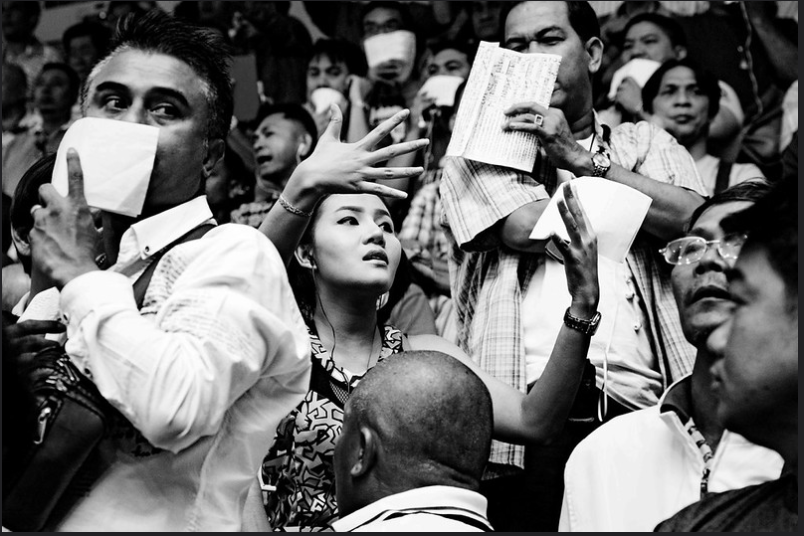
If you've ever watched traditional Muay Thai at a Bangkok stadium, you've seen something that looks chaotic from the outside — a sea of hands waving in coordinated patterns, shouting that rises and falls with the action in the ring, cash changing hands in ways that seem to follow an invisible set of rules. This is the Muay Thai gambling system — one of the most distinctive and influential aspects of the sport's culture, and something that shaped the Golden Era more profoundly than almost any other factor.
Understanding how it works gives you a completely different window into why traditional Muay Thai looks the way it does — the slow first rounds, the strategic fifth rounds, the patterns of pacing and momentum management that confuse first-time viewers. Almost all of it traces back to gambling.
The Legal Exception — Gambling in Thailand
To understand Muay Thai gambling, you first need to understand the paradox it operates within. Gambling is largely illegal in Thailand. Casinos don't exist. Card rooms aren't permitted. The Buddhist values that underpin Thai culture have historically treated gambling as a vice to be restricted.
Muay Thai is the major exception. Betting on fights at licensed stadiums — Lumpinee, Rajadamnern, Channel 7, Omnoi, Rangsit, and others — is explicitly permitted. This legal carve-out reflects how deeply embedded Muay Thai is in Thai cultural identity. The sport isn't just entertainment — it's a national tradition, and the gambling ecosystem around it has been part of that tradition for centuries.
"In Thailand, there are typically two kinds of people at a Muay Thai stadium — foreigners and gamblers. The only locals going are normally looking to bet."
The Players — Who's Involved
How Odds Are Set — Before the Fight
The process begins at the weigh-in. The Big Legs — or their representatives — attend to assess each fighter in person. They check whether fighters made weight cleanly or had to cut aggressively. They observe physical condition: is the fighter sharp, or does the weight cut show? Are there signs of injury or illness? This intelligence directly informs the opening odds.
Once the opening odds are established, betting begins as soon as the wai kru — the pre-fight ritual — starts. And critically, bets continue to be placed and modified throughout the entire fight, round by round, as momentum shifts. This live, dynamic betting system is what makes the gambling ecosystem so sophisticated — and what explains so much about how traditional Muay Thai fights are structured.
The Hand Signals — A Language of Their Own
Muay Thai stadium gambling uses a system of hand signals that functions like a trading floor — fast, precise, and incomprehensible to outsiders. Here's how the basic system works:
Odds in a single fight can range from 1:1 in an evenly matched bout up to 1:120 in a heavily favored contest. Typical bets fall between 1,000 and 100,000 Thai Baht, with marquee fights seeing individual wagers up to 250,000 Baht. Million-Baht bets have occurred — but are rare even at the highest levels.
Because misreading a hand signal can result in a significant financial dispute, the system requires everyone involved to be fluent in its language. Errors happen — and the Wikipedia entry for Rajadamnern Stadium notes that fights between gamblers over misunderstood signals have occasionally broken out in the stands.
How Gambling Shaped the Way Traditional Muay Thai Looks
This is the part that changes how you watch traditional Muay Thai forever. Many of the strategic patterns that confuse first-time viewers of traditional stadium Muay Thai exist specifically because of gambling.
The slow first round
Fighters start extremely slow in round one — often barely engaging — because the opening round is when odds are being set. A mistake in round one immediately shifts the odds against you, and you spend the rest of the fight playing catch-up while gamblers have already positioned against you. Starting slow keeps the odds as even as possible and gives you maximum flexibility for the rounds that follow.
The quiet fifth round
Traditional Muay Thai fights go five rounds. The fifth round often sees dramatically reduced action — sometimes fighters barely engaging — which baffles viewers expecting a big finish. The reason: if you've already done enough to win, why risk it? The gamblers who bet on you tell your corner to fight defensively, protect the lead, and don't give your opponent a window to change the outcome at the last moment.
Pacing and momentum management
Traditional Muay Thai scoring rewards the fighter who is more dominant in the later rounds — particularly rounds three and four. This creates a specific pattern of pacing: fighters often conserve in early rounds, escalate strategically in the middle, and then manage the result in the fifth. The gambling ecosystem reinforces this pattern — gamblers are adjusting their bets based on round-by-round momentum, and fighters who understand this can use it to their advantage.
Cornermen and gambler communication
Perhaps most striking to outside observers: during fights, gamblers in the stands will directly advise cornermen between rounds — telling them what their fighter should do in the next round based on where the gambling positions have landed. While experienced and reputable cornermen maintain their own judgment, younger fighters in the stadium scene often look to the gamblers for guidance on whether they're winning or losing.
"In razor-close fights, it's usually the gamblers who can tell you who's winning. They know the scoring better than almost anyone in the building."
The Positive Impact — What Gambling Gave the Sport
-
It funded the sport's existenceGamblers are the majority of ticket buyers at traditional Bangkok stadiums. Without them, the economic model that sustained elite Muay Thai competition — particularly during the Golden Era — would not have been viable. The gate revenue that funded fighter purses, stadium operations, and promotional events came overwhelmingly from gamblers.
-
It created the best matchmaking in historyGamblers demand competitive, high-quality fights — because a predictable fight is an uninteresting betting market. This demand created relentless pressure on promoters to match the best against the best, frequently and seriously. The extraordinary depth of competition in the Golden Era is directly traceable to gambling's demand for genuine contests.
-
It supplemented fighter earningsFighter purses in traditional Thai stadium Muay Thai have historically been modest. The tip system — where gamblers pool money to reward standout performances — significantly supplemented what fighters earned. A dramatic comeback or an impressive finish could earn a fighter substantially more than their fight purse alone. This financial incentive kept fighters performing at their highest level throughout every fight.
-
It built deep expertiseThe most experienced Sian Muay possess encyclopedic knowledge of fighters, camps, styles, and matchups. This expertise, accumulated over decades, contributed to the sophisticated understanding of the sport that made the Golden Era's matchmaking so exceptional. Some of the deepest tactical knowledge of traditional Muay Thai exists not in coaches' notebooks but in the minds of long-time stadium gamblers.
The Dark Side — Corruption and Its Consequences
The same financial stakes that created the best matchmaking in history also created serious corruption risks. When enormous sums of money are wagered on fight outcomes, the incentive to influence those outcomes becomes significant.
Match-fixing has occurred throughout Muay Thai's history. Fighters have been offered bribes to deliberately lose — and some have accepted. In recent years, high-profile cases including Saoek (lifetime ban) and Roycherng Singmawin have confirmed that the practice continues.
Referee influence is another documented concern. The Sian Muay's financial stakes can create pressure on officials, subtly or explicitly affecting how close fights are scored.
Most disturbing is the documented practice of poisoning fighters before matches. Investigative reporting from Vice's Fightland documented multiple cases of fighters being given sedative-laced water or food before fights — dropping significant weight rapidly and losing the ability to perform. In some documented cases, fighters believed the perpetrator was their own trainer or gym owner, who had placed bets against them. This is the darkest expression of what happens when gambling corruption goes unchecked.
It was ultimately this corruption — combined with Thailand's financial crisis of the mid-1990s — that contributed significantly to the decline of the Golden Era. As audiences began to question whether outcomes were genuine, attendance fell and the economic model that had sustained the sport's peak began to unravel.
The Modern Shift — Away From Gambling Culture
The sport has been moving away from its gambling roots in recent years — partly by choice, partly by necessity. Lumpinee Stadium has banned gambling entirely under its new management. Rajadamnern Stadium doesn't permit gambling at its Saturday Rajadamnern World Series events. ONE Championship, which has brought Muay Thai to a global audience, operates completely outside the stadium gambling ecosystem.
This shift has produced real changes in how the sport looks. Entertainment Muay Thai — designed for international audiences unfamiliar with traditional scoring — rewards aggression, knockouts, and action in every round. The slow tactical rounds that gambling culture produced are increasingly absent. Some argue this makes the sport more watchable. Others argue it has fundamentally altered the art — forcing technical fighters like Muay Femur stylists to adapt or disappear, as their patient, strategic approach doesn't reward the knockout-hungry entertainment format.
The tension between traditional stadium Muay Thai with its gambling culture and modern entertainment Muay Thai without it defines the current state of the sport's evolution. Both versions are real. Both have value. And understanding both requires understanding where the gambling system came from and what it actually produced.
"Gambling didn't just fund Muay Thai — it shaped the art itself. The slow first round, the strategic fifth, the pacing, the scoring — all of it traces back to a betting ecosystem that rewarded a very specific kind of intelligence."
Why This Matters for Practitioners
If you train Muay Thai, understanding the gambling system reframes everything about how traditional fights are structured. The next time you watch a Golden Era fight and wonder why round one looks like two fighters warming up, or why round five suddenly goes quiet — you have your answer. The gambling ecosystem created those patterns deliberately, and the fighters who mastered the art of navigating them were the ones who survived and thrived in the most competitive environment the sport has ever produced.
At Muók Boxing, we teach traditional Muay Thai — which means we teach the strategic depth that the stadium system produced. The pacing, the scoring awareness, the round-by-round intelligence — these are real components of the art, shaped by decades of competition in an ecosystem where every round had financial stakes attached to it.
- Authentic technique with real cultural and historical context
- Coaches trained at renowned Thai camps — direct lineage to the tradition
- 17 classes per week — beginner and experienced levels
- 9,000+ sq ft Georgetown facility with open gym 7am–8pm
- Free trial class — no commitment, no contracts